

November in New York City brings colder days, and the flora begins settling into its dormant season. However, on the grounds of the United Nations (UN), November becomes a season of growth, where curiosity, peace and hope take root through Mennonite Central Committee (MCC)’s UN Student Seminar.
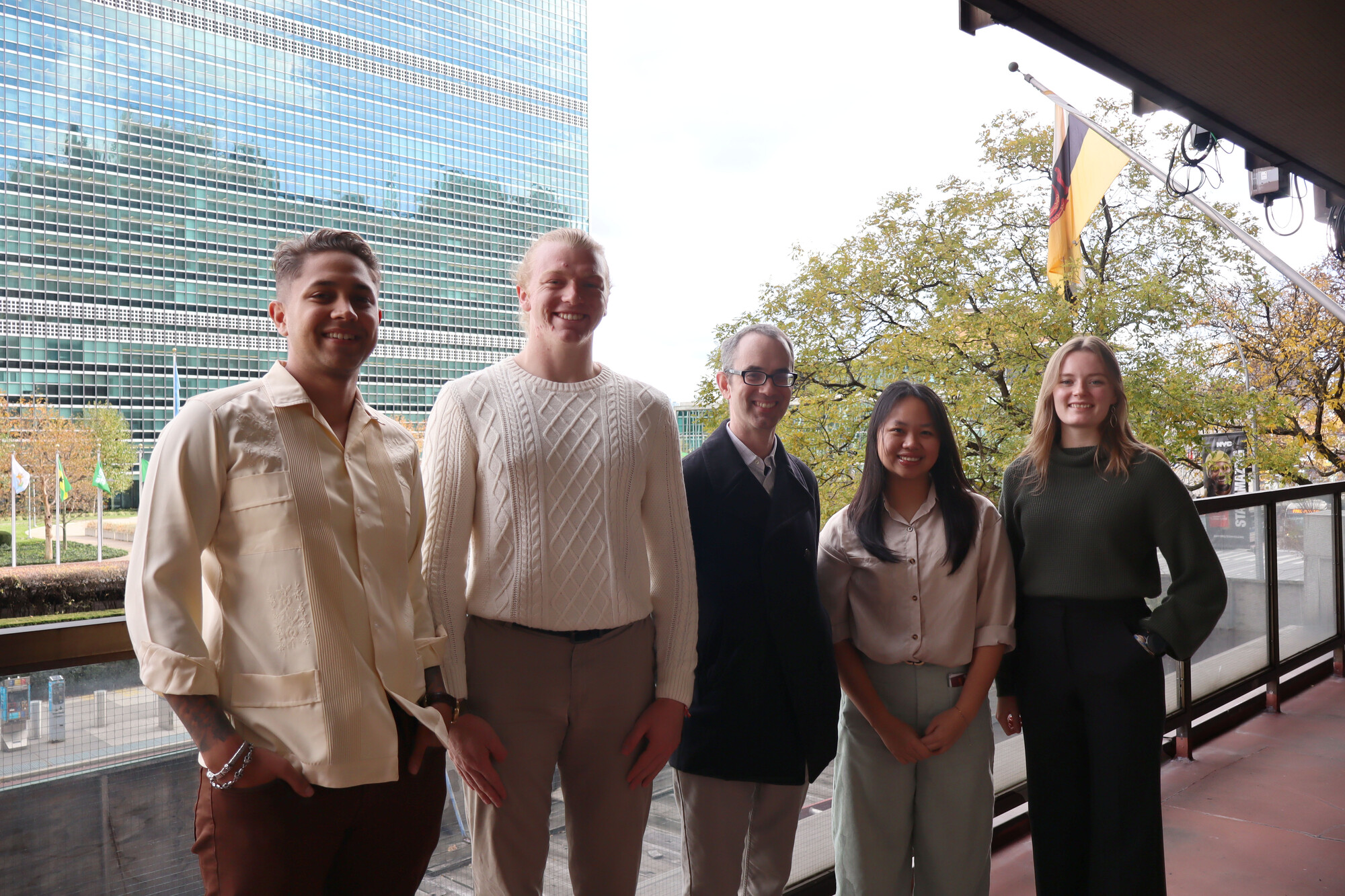
On November 12-14, 2025, 39 young adults from 13 Anabaptist colleges and universities across the U.S. and Canada gathered at the Church Center of the United Nations for the annual MCC UN Student Seminar. Over three days, participants engaged with the question, “Does the UN matter?” They explored the intersection of diplomacy and grassroots peacebuilding and learned about the gifts and challenges of the UN.
This year marked the 30th anniversary of the seminar and the 80th year since the founding of the UN. It was a poignant moment to reflect on the seeds planted decades ago while also planting new seeds of hope and change among this year’s participants.
Gifts and challenges of the UN
The UN operates in a world of persistent and complex conflicts, and MCC is present on those grounds of deep conflict, division and violence. In MCC's work across 46 countries, political power can either hinder or enable efforts toward relief, development and peace.
Through two full-time staff, MCC is also present on the grounds of the UN, engaging diplomats and the UN about ongoing global crises and conflicts. For 30 years, the MCC UN Student Seminar has been a bridge bringing together young adults, UN diplomats, grassroots peacebuilders and MCC staff to deeply ponder the UN’s role in peacebuilding and to hold space for critical questions.
What seeds have been growing over 30 years of the MCC UN Student Seminar?
Lia Groves attended the MCC UN Student Seminar in 2023 while serving as the Bethel College student representative on the MCC Central States Board of Directors. She continues to serve on the board as a member-at-large. A 2024 Bethel graduate in Health & Physical Education, she is now pursuing a Doctoral degree in Occupational Therapy at the University of Kansas Medical Center.
During her time on the board, Groves co-created a scholarship to support college-aged representatives from Bethel College to serve on the MCC board, strengthening MCC’s commitment to uplifting young adult voices.
Quote
“My advice to future participants is to soak up every part of the experience. I may have been the only participant who wasn’t majoring in a field directly related to government or religious studies, yet I still gained so much."
Brooke Strayer attended the seminar in 2012 and 2013 while studying Peace and Conflict Studies and History at Messiah University. The seminar introduced her to MCC service, eventually leading her to serve with the Serving and Learning Together (SALT) program and shaping her path into an MCC career as a Young Adult Coordinator for MCC Great Lakes.
Reflecting on the seminar’s impact, Strayer shared, “In an increasingly polarized world, students should witness positive examples of how seemingly opposing sides work together for change.”
The impact of the MCC UN Seminar extends beyond North America, reaching communities around the world.
Some seeds traveled to Colombia.
Bekah York attended the seminar in 2015 while majoring in Peacebuilding and Development at Eastern Mennonite University. She later earned a Master’s in Peace Studies from Anabaptist Mennonite Biblical Seminary (AMBS) and in 2018, completed a three-month internship at the MCC UN Office.
In 2019, York moved to Colombia, working with a local NGO and accompanying the Mennonite Church there for five years. She now serves as MCC’s Latin America/Central America Networker for Social Change and Communications in Colombia. Reflecting on her journey, she encourages future participants to prioritize deep listening–especially to practitioners from marginalized and indigenous communities. “While the UN framework is essential for understanding global mechanisms, real peace is cultivated and sown at the local level,” she said.
Some seeds have reached the Korean Peninsula.
Seong Han Kim, MCC Representative for Northeast Asia, attended the seminar in 2004 as a Peace Studies student at AMBS, travelling all day with four classmates from Elkhart, Indiana, to New York City.
Nearly 20 years later, Kim now serves as MCC representative for peace and reconciliation in Northeast Asia. “An amazing seed grew!” he exclaimed.
“I didn’t know the seeds that were planted during that time would grow like this. The UN is a special place and opportunity to discover God of reconciliation: ‘God was reconciling the world to himself in Christ, not counting people’s sins against them. And he has committed to us the message of reconciliation.’ (2 Corinthians 5:19).”
Sitting together at the table
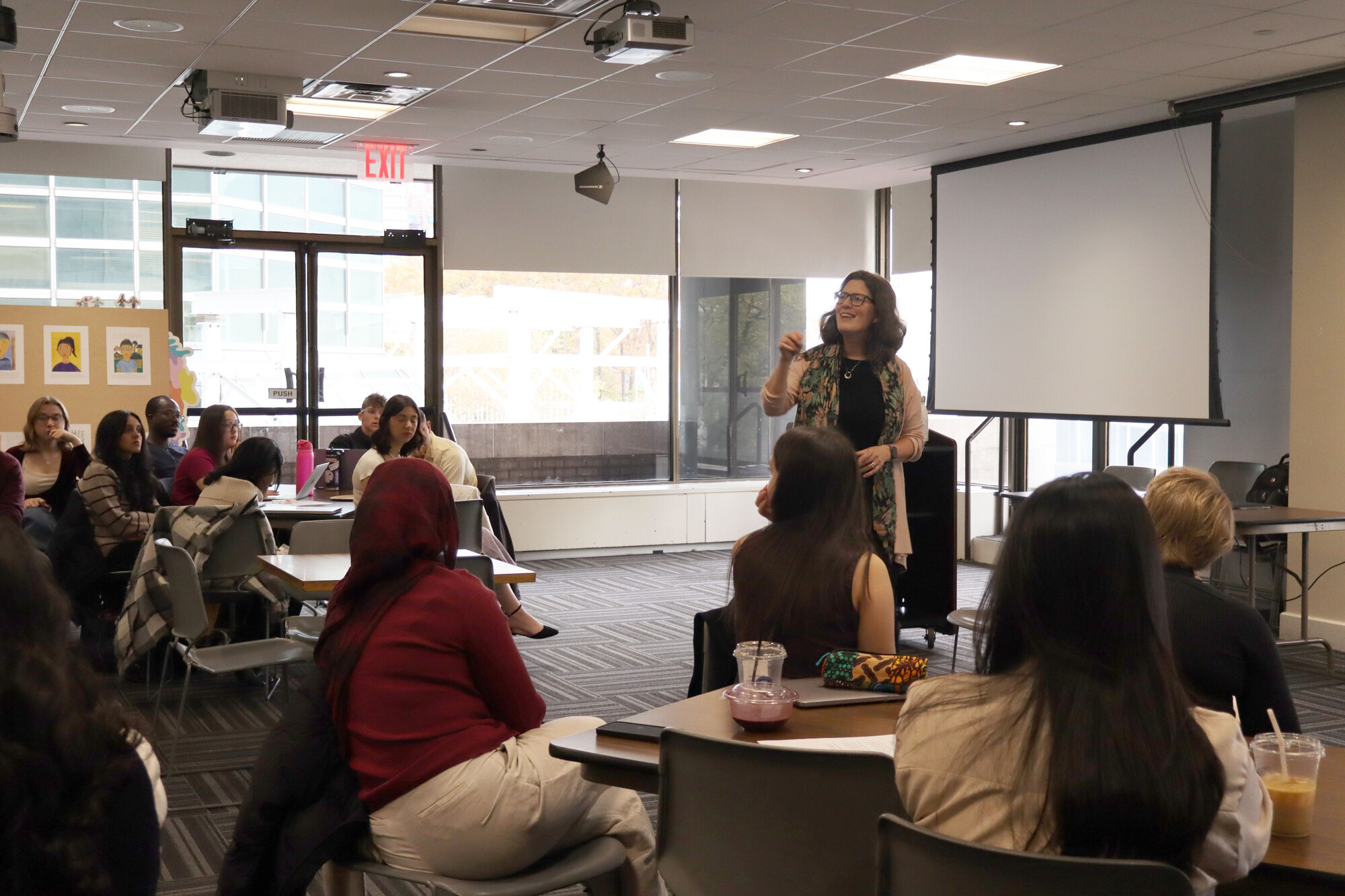
Ashley Gagné, Director of the MCC UN Office, organized this year’s seminar, her first since joining MCC in March 2025. “The seminar creates a space for young people to come together and not only learn about the UN, but to really critique and question it.” she said.
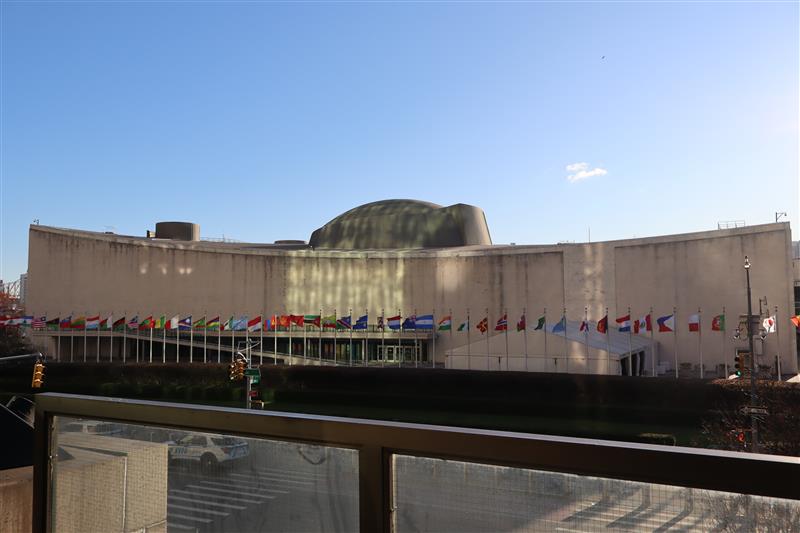
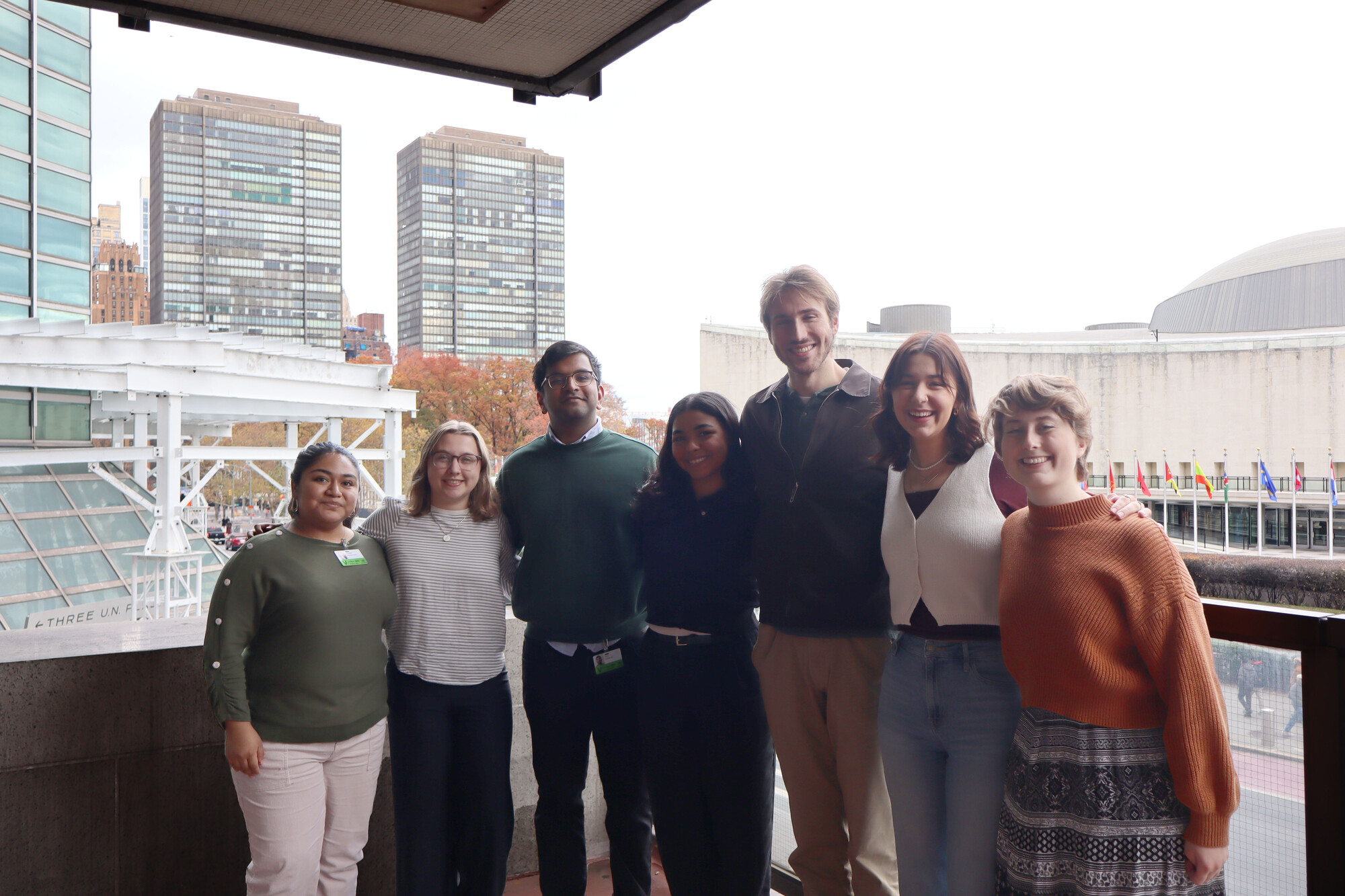
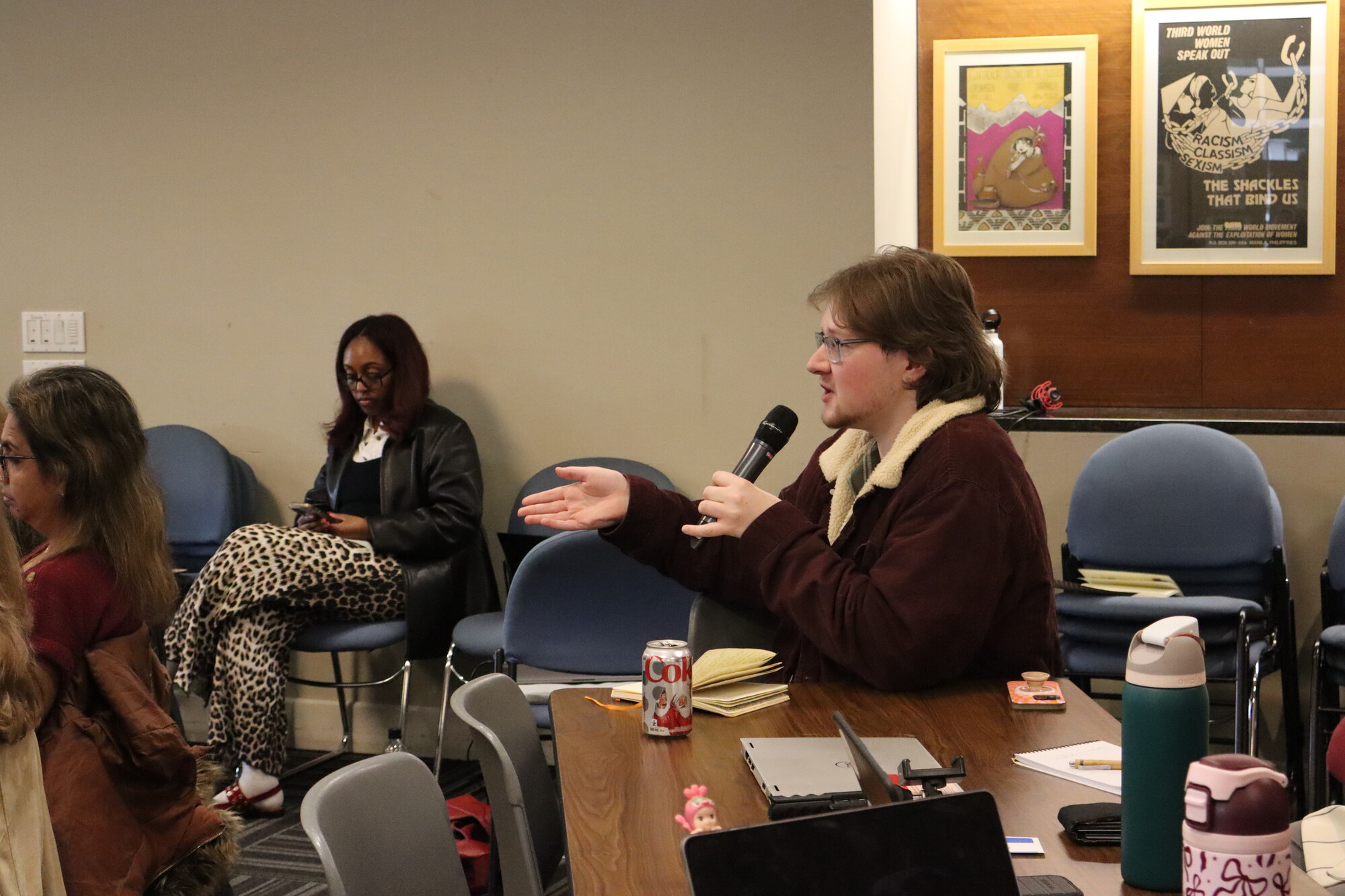
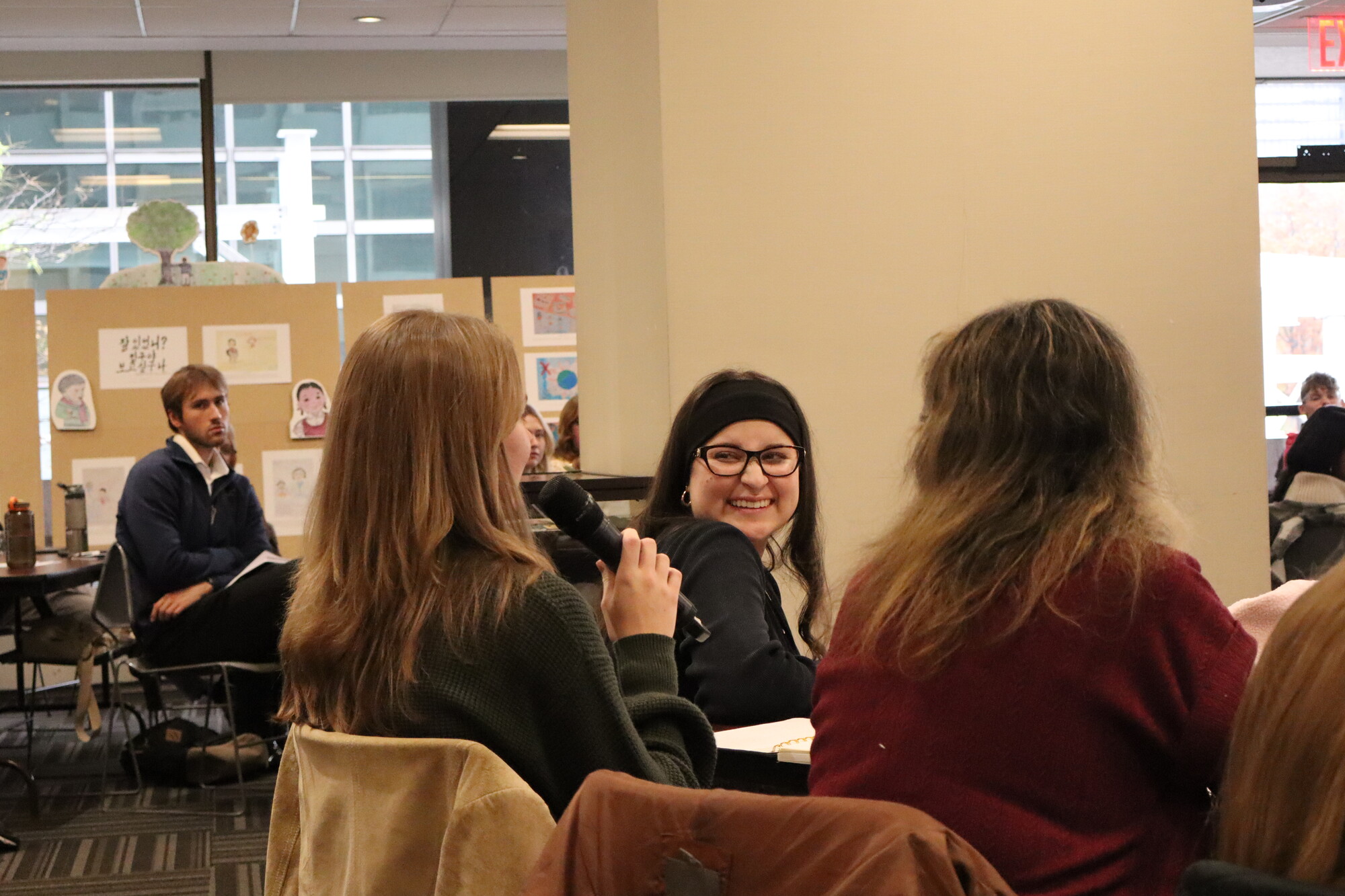
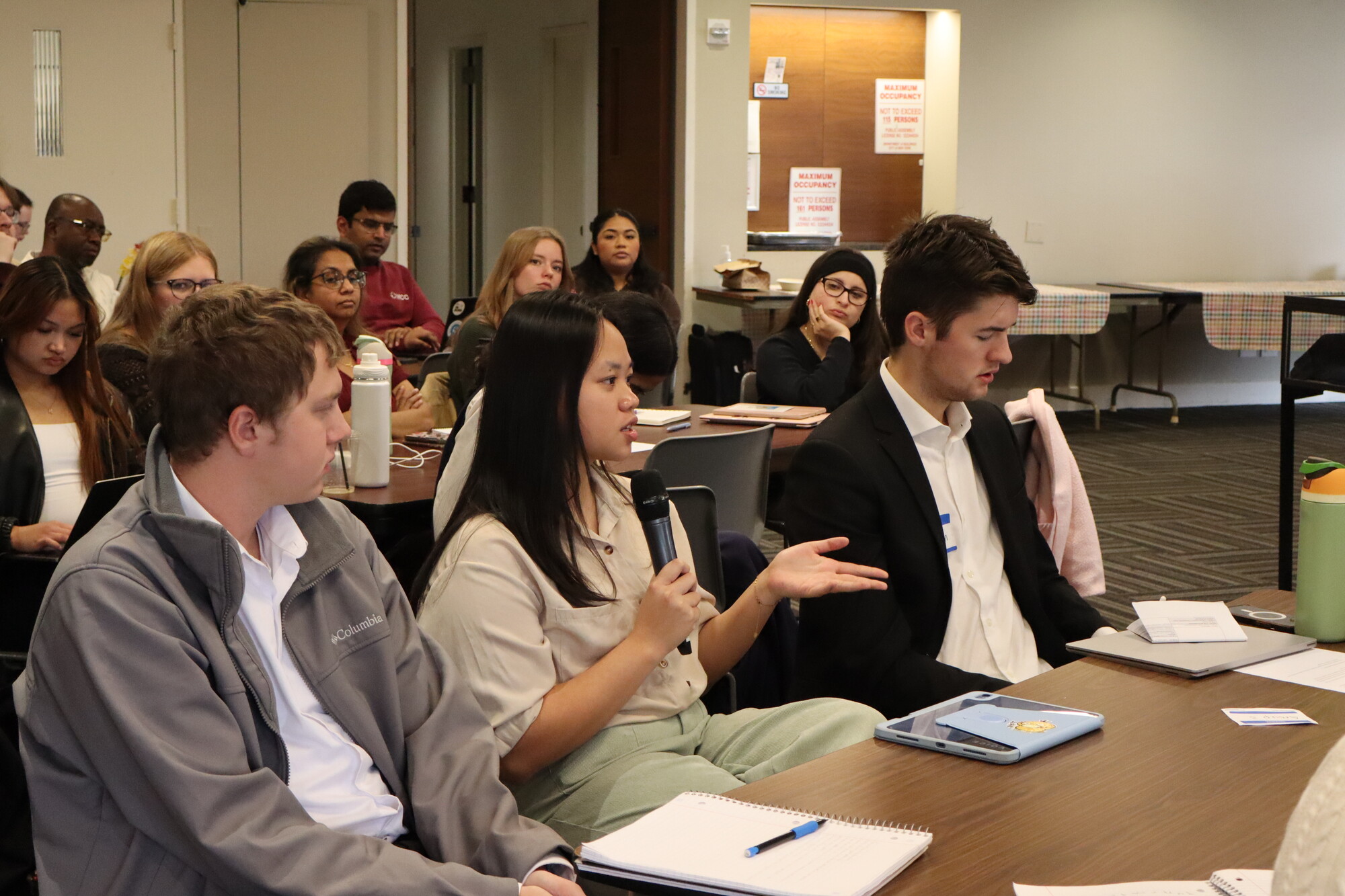
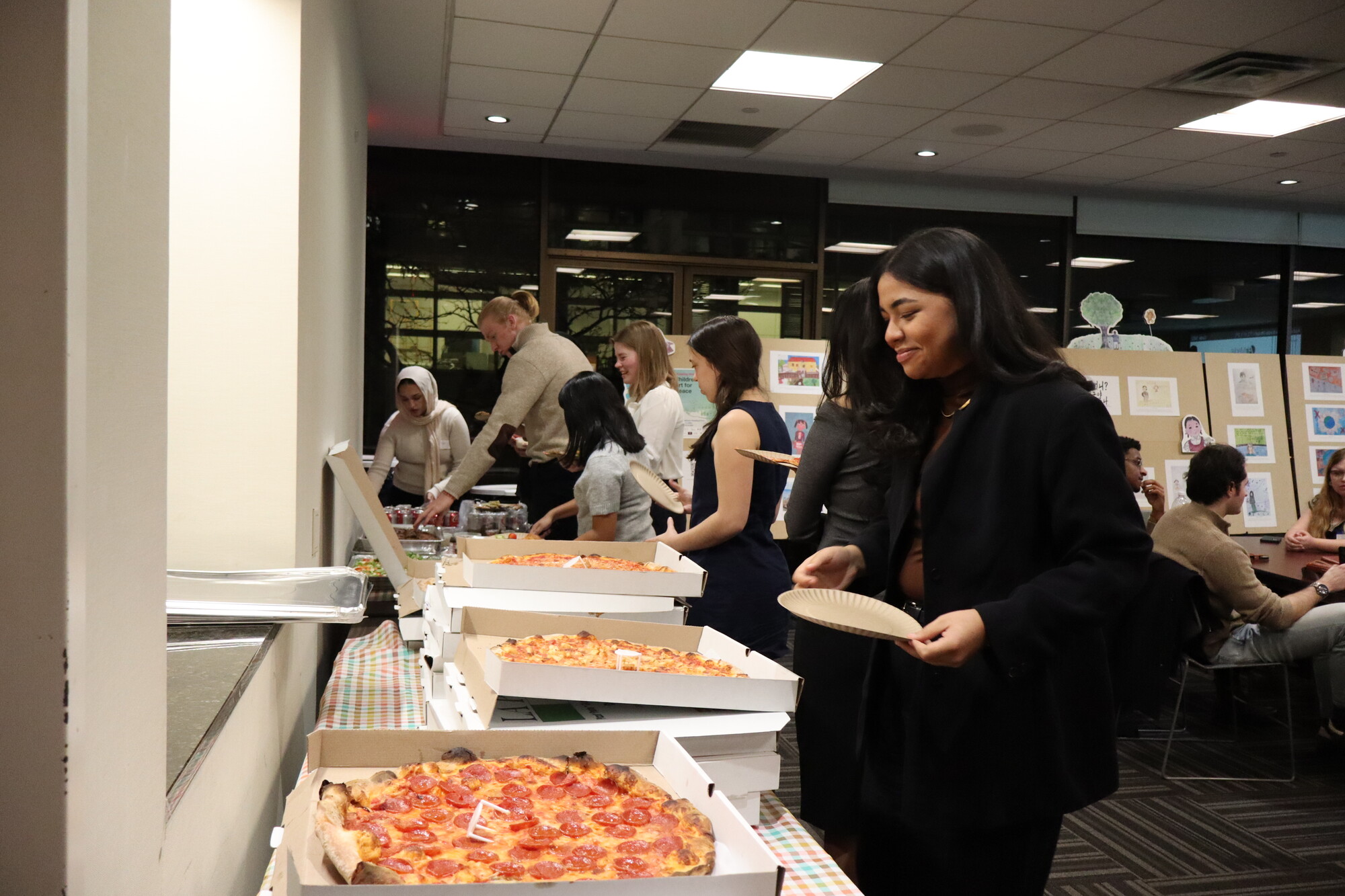
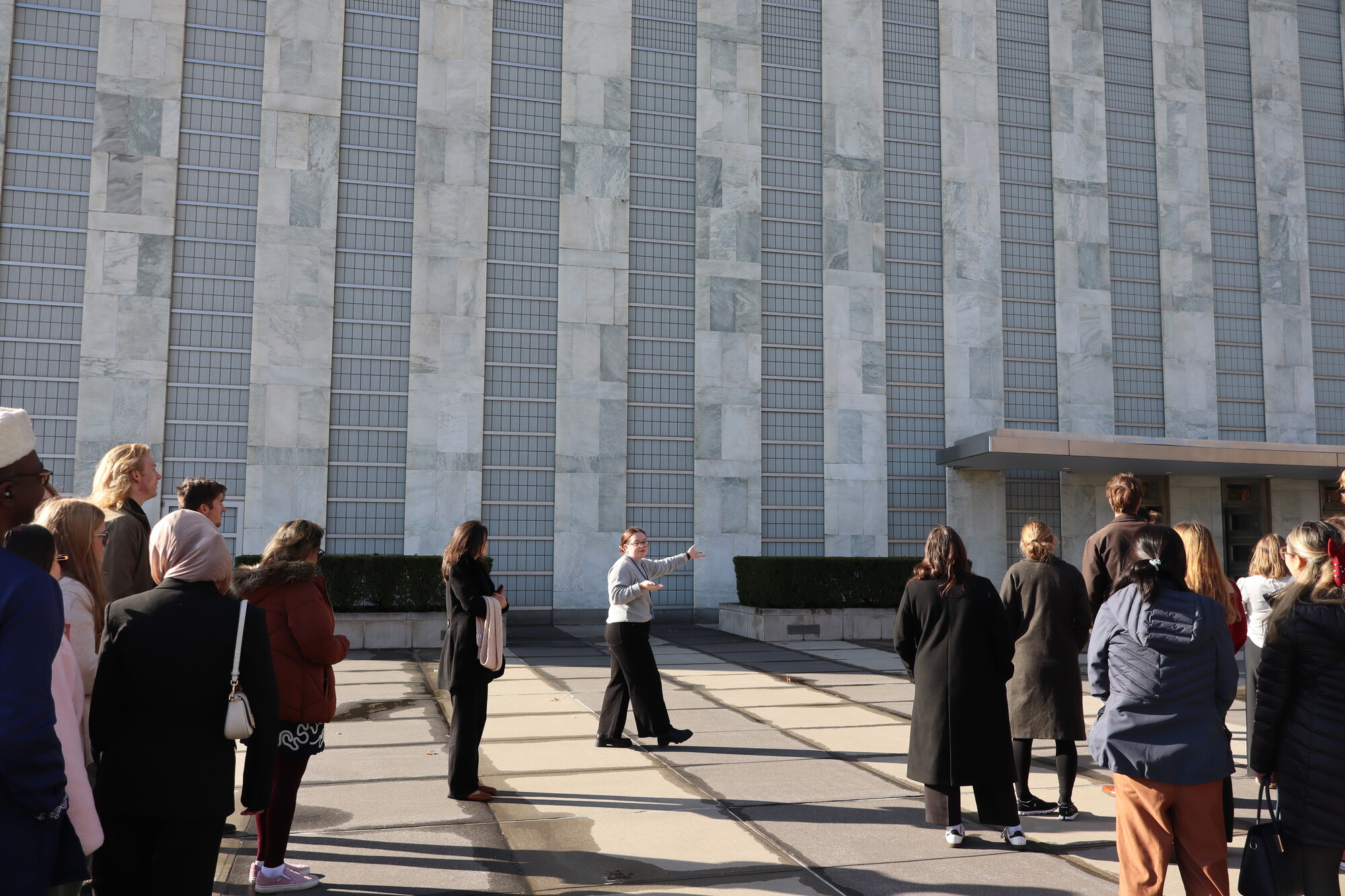
With the UN Headquarters as their backdrop, participants spent three days immersed in the seminar’s tradition of welcoming curiosity, openness and meaningful dialogue with peers from diverse backgrounds and perspectives. They also witnessed the full spectrum of the UN system, engaging with both high-level diplomats and grassroots civil society peacebuilders, and touring the UN Headquarters building.
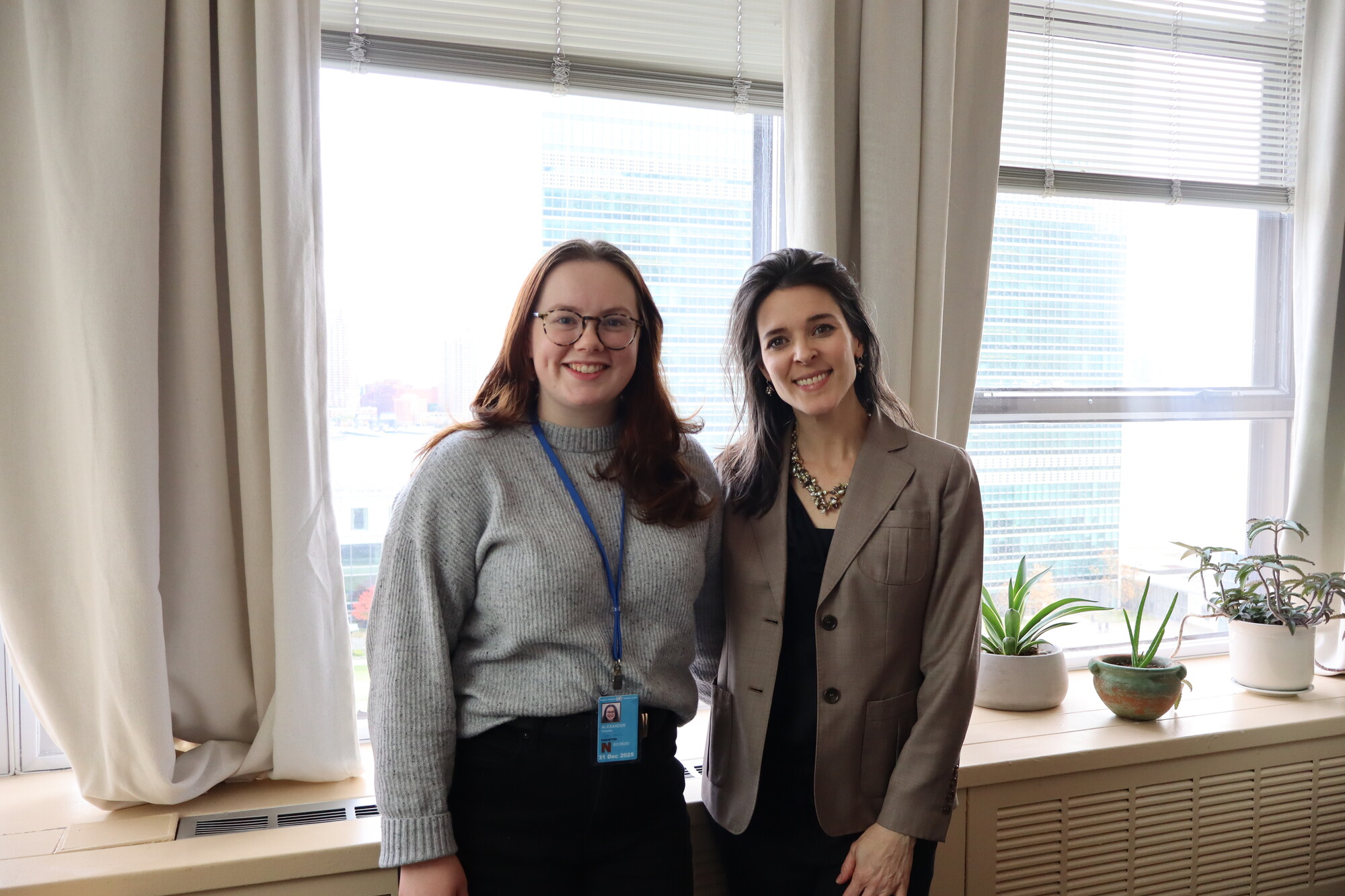
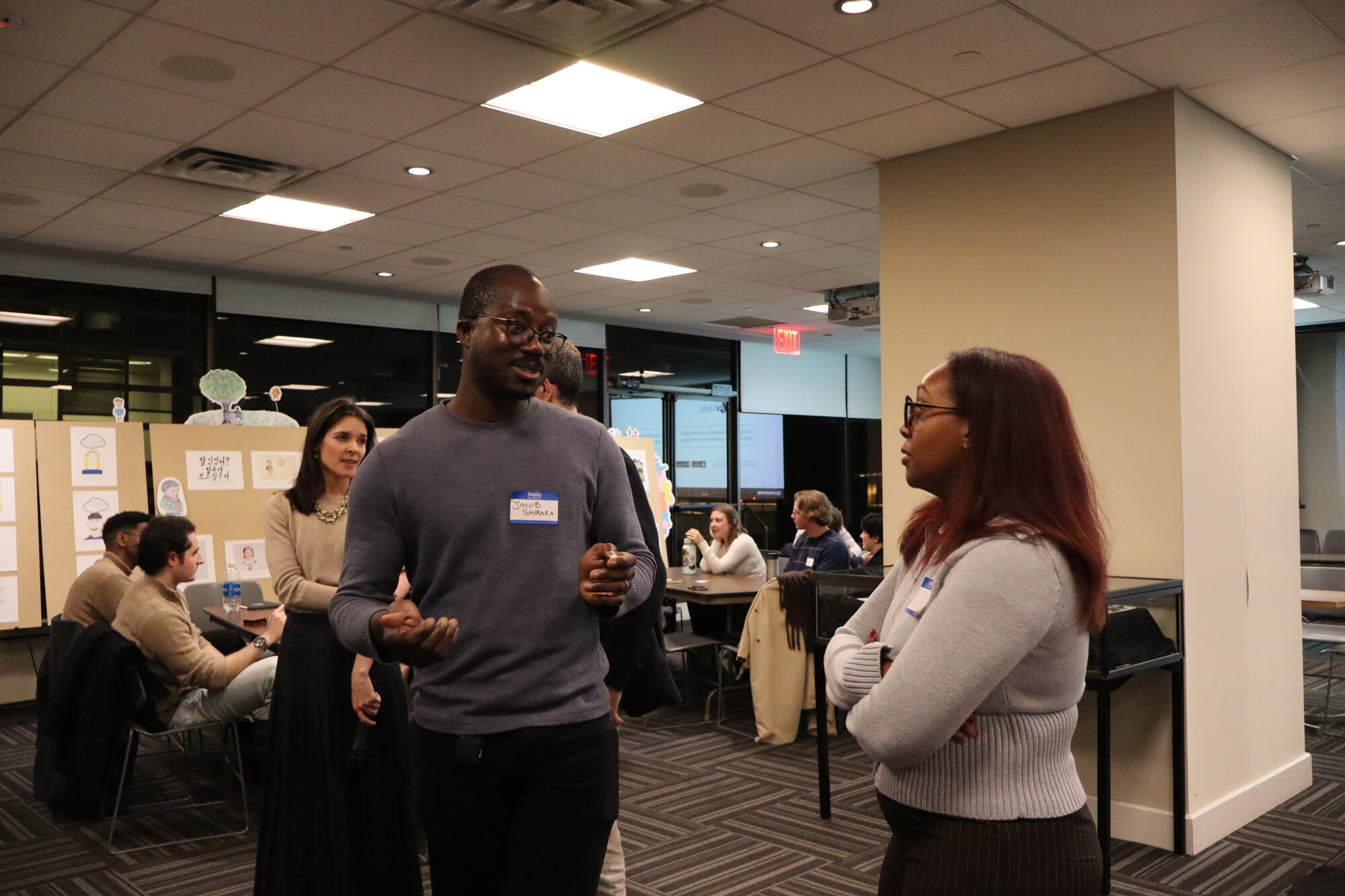
Jacob Sankara from Burkina Faso, a master’s student in Conflict Transformation at Eastern Mennonite University’s Center for Justice and Peacebuilding in Virginia, said, “When you hear about the UN from outside, it’s something very professional and serious. But I’m happy to see that you can be more open. You can be relaxed and feel open to share and ask questions.” Sankara has served with MCC as a Global Service Learning intern in summer 2025 and is currently serving as Interim Peacebuilding Associate for MCC U.S.
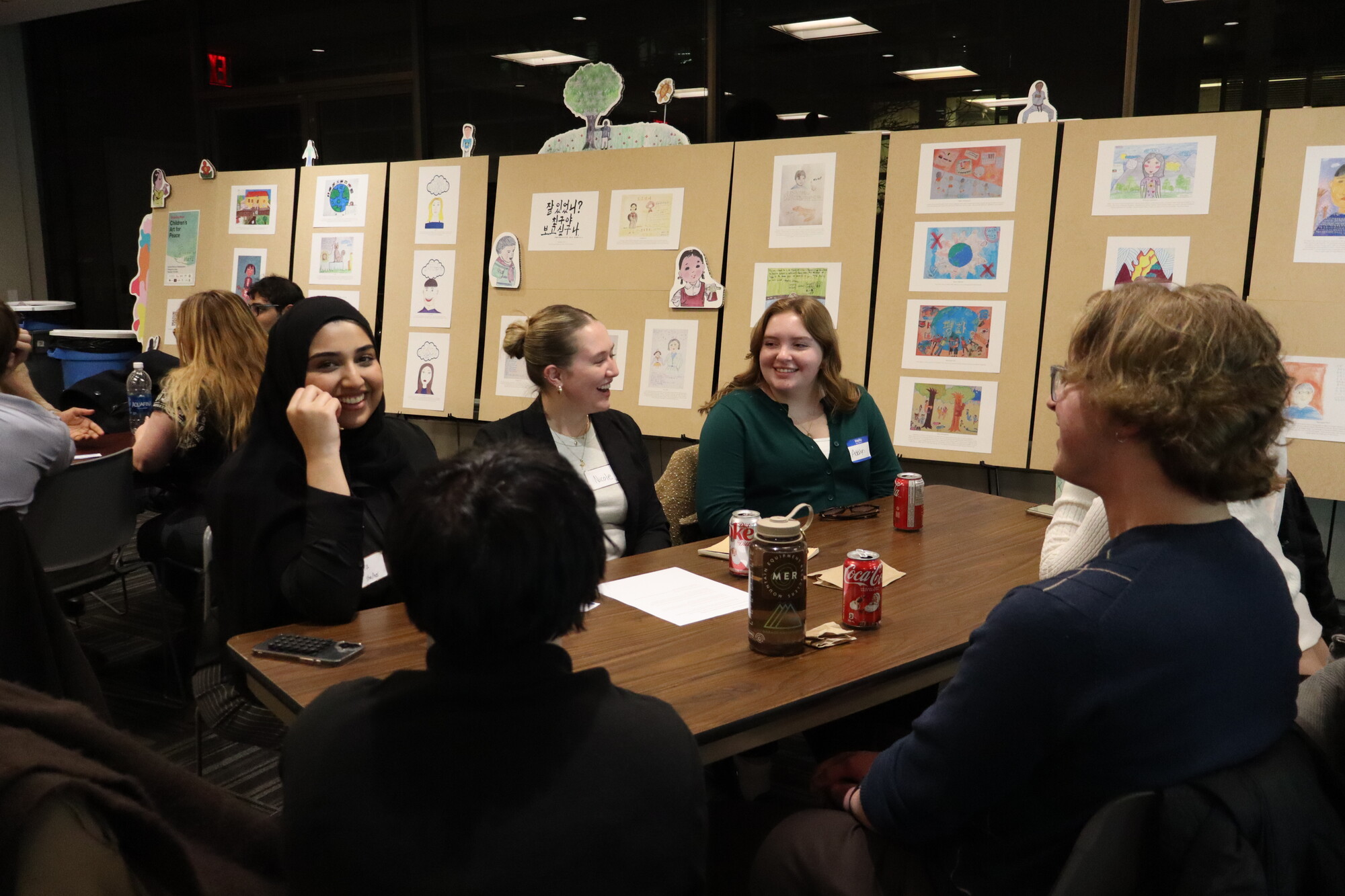
Lily Corkill, an aviation major from Hesston College in Kansas, was excited to meet like-minded people and broaden her horizons. She shared, “I really enjoyed sitting with the girls at my table, who were from all different places—at least four or five different countries. It was incredible to hear their perspectives.” Through these intentional conversations, Corkill saw the resemblance between her small group table and the UN’s role in bringing people from diverse backgrounds and experiences together at the same table.
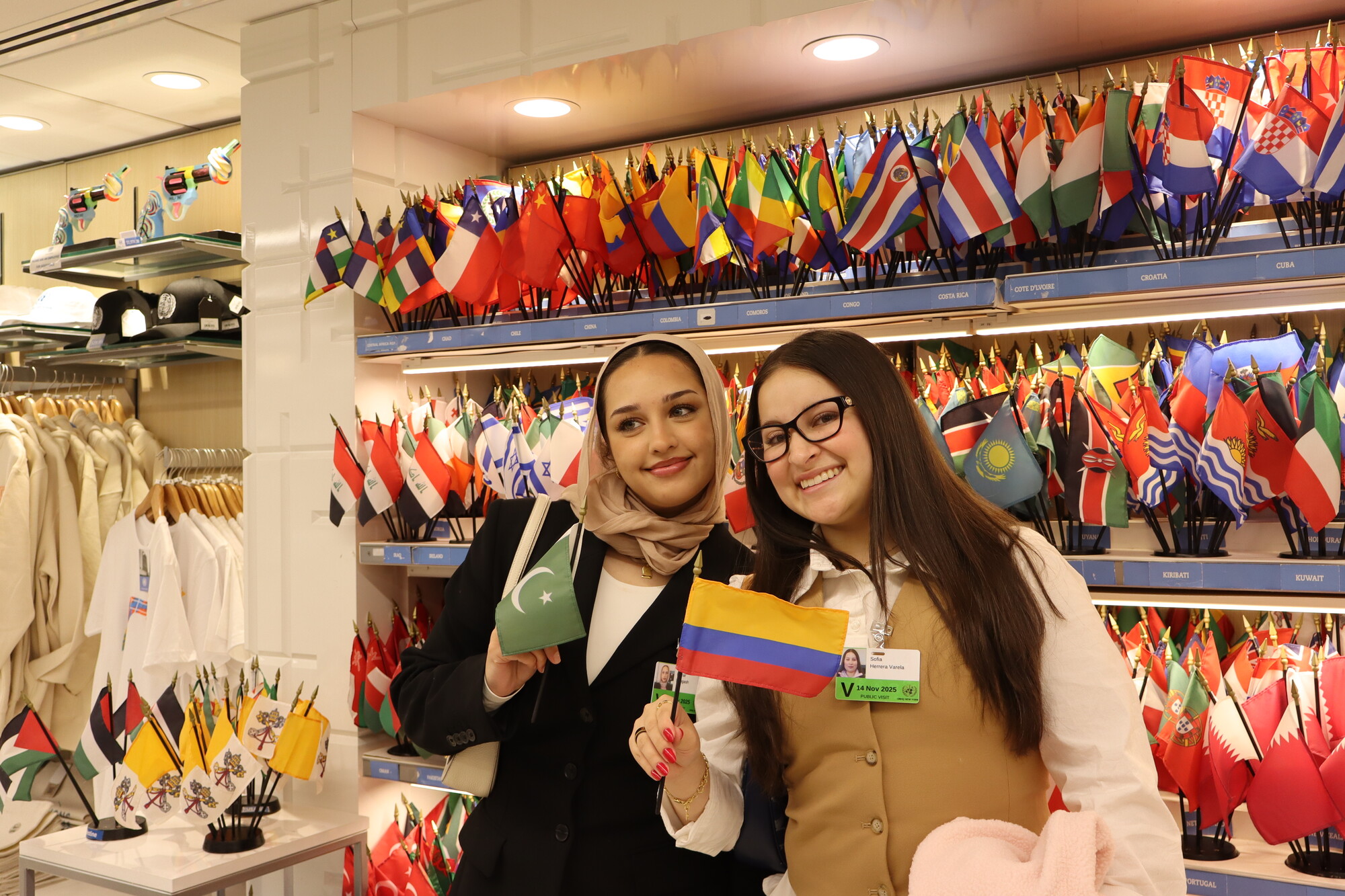
For Sofia Herrera Varela, a master’s student in Peace and Conflict Studies at the University of Waterloo in Ontario, it was inspiring to hear the ambassador of Guyana emphasize that young people are not just the future, but the present.
Quote
“It is empowering to be a young person, to walk into a room with confidence, connect with peers and gain insight into how the system works."
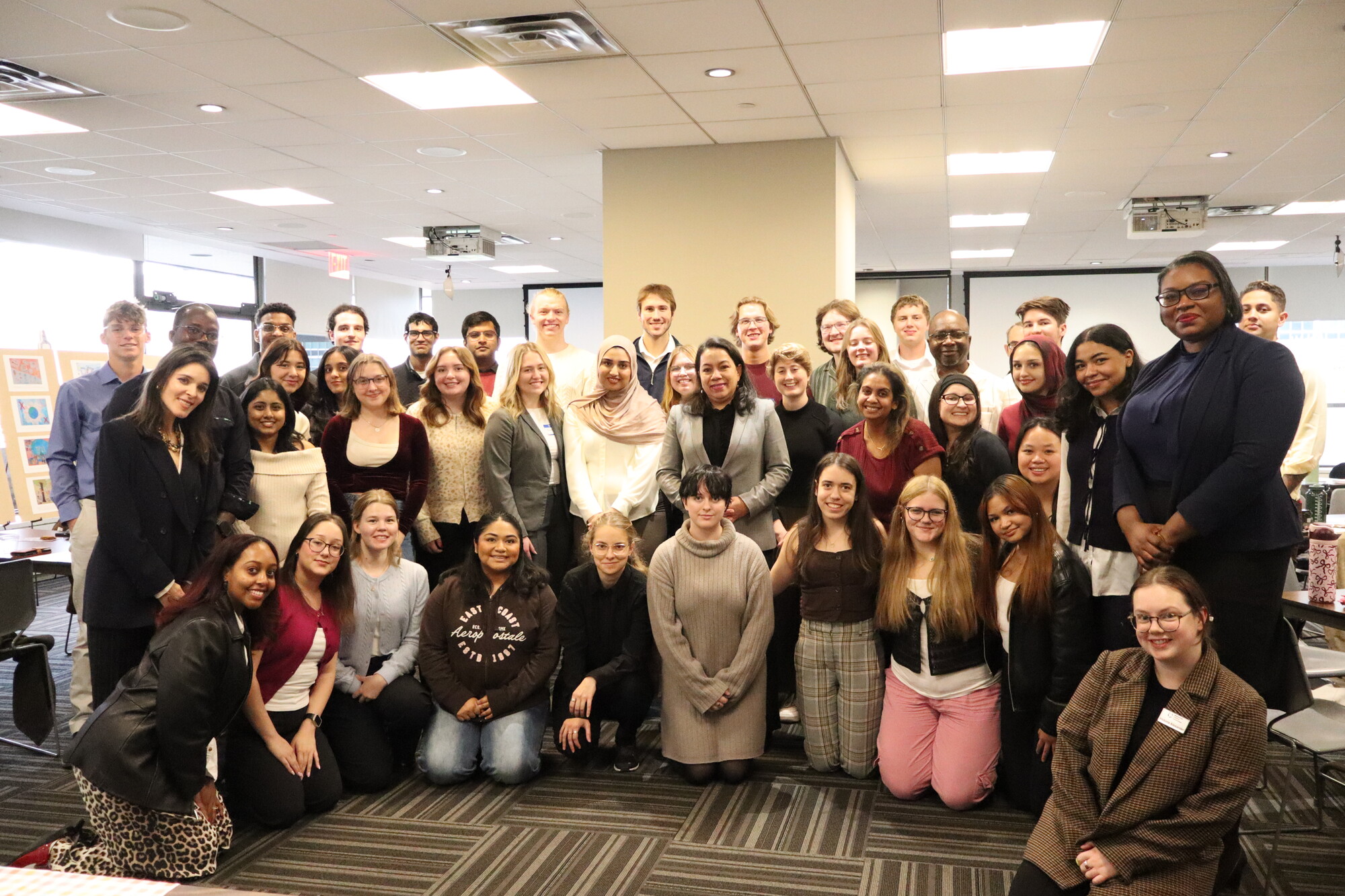
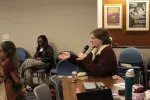
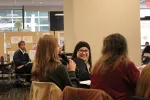
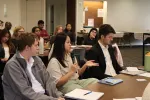
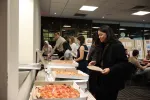
2025 seminar participants' reflections on peacebuilding and hope
The “in-between spaces”
On the final day, Stacy Nam, MCC Program Director for Democratic People’s Republic of Korea (DPRK), opened with a devotional reflecting on the 80th year since the Hiroshima and Nagasaki atomic bombings and the division of the Korean Peninsula. She emphasized the importance of “in-between spaces” – places where people can come together to share stories, hopes and the work of peacebuilding.
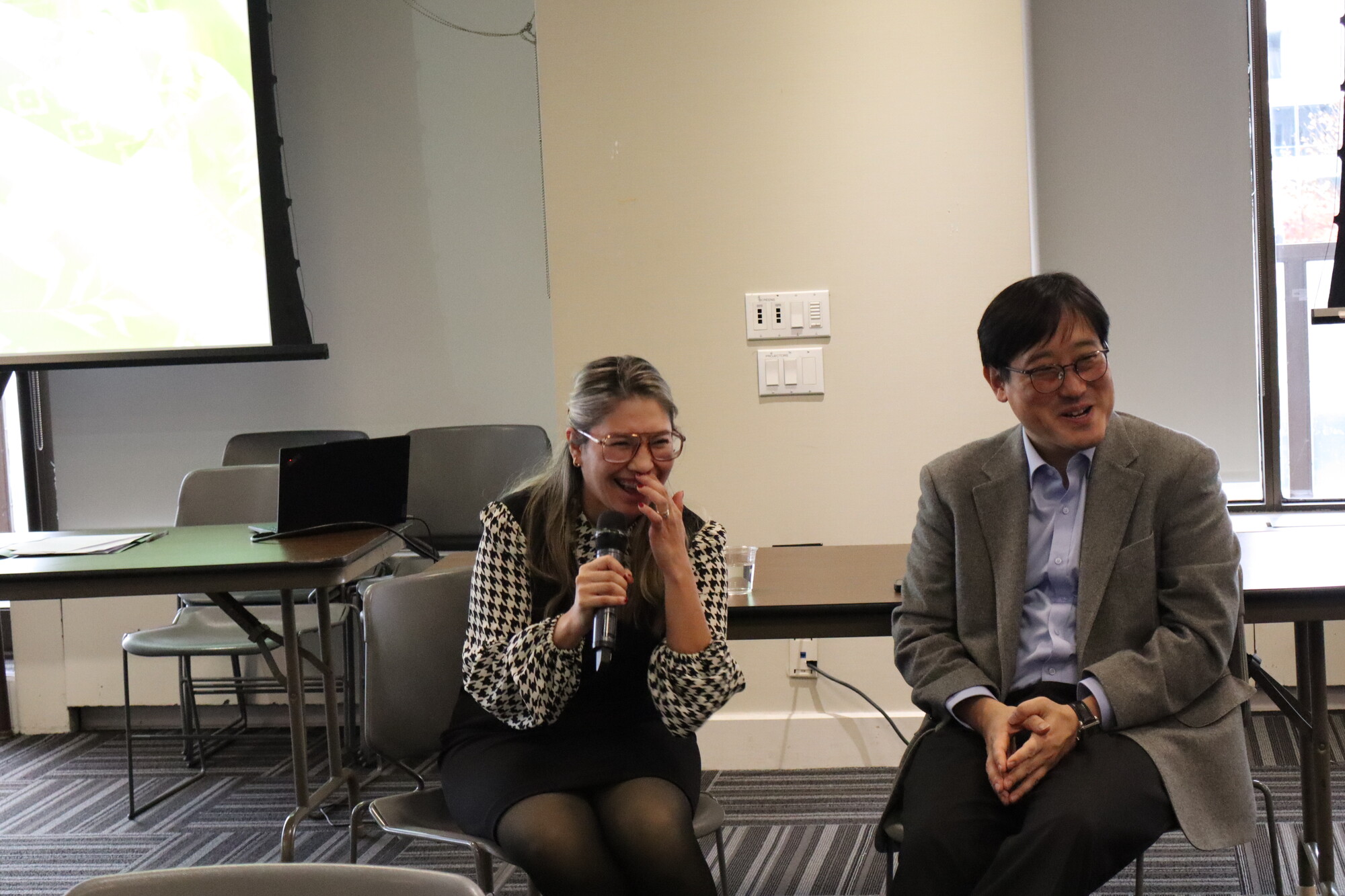
The UN Student Seminar serves as an “in-between space” where stories from grassroots peacebuilders help bridge the gap between local action and global policy. Herrera Varela reflected on how the panel of civil society leaders revealed the full ecosystem of peacebuilding: “Listening to diplomats as well as civil society leaders provided insight into the local and international spectrum of peacebuilding, which was truly motivating.”
By the end of the seminar, participants left with more than souvenirs from the UN. They carried stories of resilience, creativity, hope, and the courage to continue asking questions.
It can feel a little scary at times, but experiences like this bring a lot of hope. MCC and other organizations working to make these gatherings happen show that active change is possible.
Lily Corkill
Stories from our work
Hear from the people whose diverse experiences, ideas and perspectives inform and inspire our advocacy work. Explore the ways we’re working together for peace and justice around the world.

The rise and fall of Gaza’s airport


Thirty years of the MCC UN Student Seminar
- Justice and Equity


Children's drawings encourage peace at UN headquarters
- Peace

The UN at 80: A "Come to Jesus Moment"

Reconciliation on the Korean Peninsula: Healing the Wounds of Intergenerational Trauma

GAZA: Leaders of major aid groups call on world leaders to intervene following UN genocide conclusion (9/17/25)
- Peace