Well-versed in wellness
In India, MCC partners build healthy communities with creative outreach and the construction of wells and latrines.


Without clean water, “Many parts of life suffer,” shares Sanjay Minj, who lives and works growing tea in West Bengal’s Kohinoor Tea Garden. Minj recalls that when the family was relying on unclean water, he, his wife or their son would fall too ill to attend work or school.
“Many people in my family often got sick — some with fevers, others with stomach pain.”
These bouts of illness, common in families who don’t have clean water, interrupt learning for students, lead to a loss of wages for adults and perpetuate the cycle of poverty among rural families, says Madhur Lakra, a project officer with MCC.
Traditionally, Lakra says, “Most of their income went to basic needs, so building toilets wasn’t affordable, and safe water wasn’t always available.”
Health starts here
Today, in Kohinoor Tea Garden, Lakra and his team work with MCC partner Little Flock Fellowship (LFF) — an extension of the Anabaptist-affiliated United Missionary Church — to ensure that families can know the peace of mind that clean water brings.
The northern, hilly reaches of West Bengal comprise one of the largest tea-producing regions in the world. When local tea gardens — sprawling plantations — were established, basic plumbing infrastructure was installed by tea companies, who then owned the land and provided basic on-site housing for laborers. But the tea industry has declined. While it is now easier for workers, who grow, pick and process tea, to own and manage plots of land within the gardens, the cost of building or maintaining plumbing systems has outpaced wages.
In recent years, the government has started to build pipes in tea gardens and communities across the state, but this plan is not yet complete. In the meantime, residents living with outdated or half-built water systems struggle with waterborne illness.
In many communities, there is only a tube well or open pit that provides water for cooking, bathing and drinking. These types of wells draw from shallow groundwater, which is prone to contamination from industrial and household waste. When rain is low, such wells can run dry.
And in rural communities where latrines were once prohibitively expensive, open defecation has long been the norm. This practice not only spreads disease when waste runs into water sources, but leaves people vulnerable to a range of risks, such as slipping and falling or being injured by elephants, snakes, leopards or other wild animals. In the past, many communities have faced issues with deforestation. While logging activities have largely ceased, the loss of larger trees has made it harder to find privacy, especially for women and children.
The power of clean water
Minati Kerketta, who lives and works in Kohinoor Tea Garden while her husband migrates for wage labor, knew these risks well. “We badly needed a toilet,” she says. “But our family was facing financial hardship. Even though we tried, we couldn’t afford to build one.”
Kerketta knew of the benefits that clean water and a functioning restroom would bring. But many families, who have gone without these amenities for so long, did not immediately recognize how practices like open defecation, improper handwashing and drinking contaminated water could spread illness.
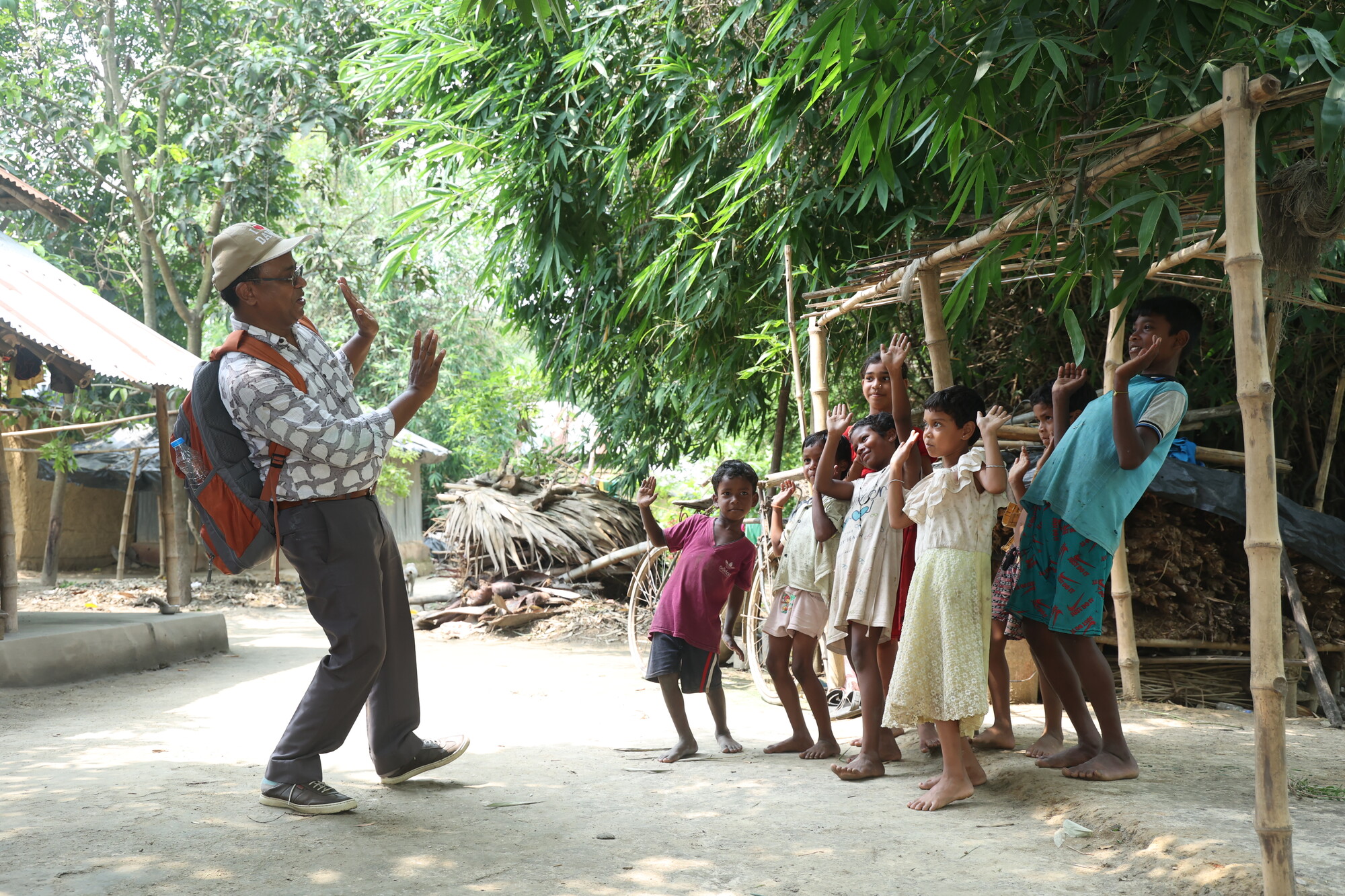
LFF staff travel to local schools for interactive lessons, and host hands-on activities, like testing for harmful microbes that can live even in the clearest-looking water, for adults.
In Ruhimari and other villages farther south in West Bengal, another MCC partner, Economic Rural Development Society (ERDS), is working to raise awareness of the benefits of resources like latrines by engaging families with lively songs, featuring lyrics written by team members in local languages. The songs come from folk traditions like kobi gaan, a vocal duel between two singer-poets, which has been popular in rural West Bengal since the 19th century.
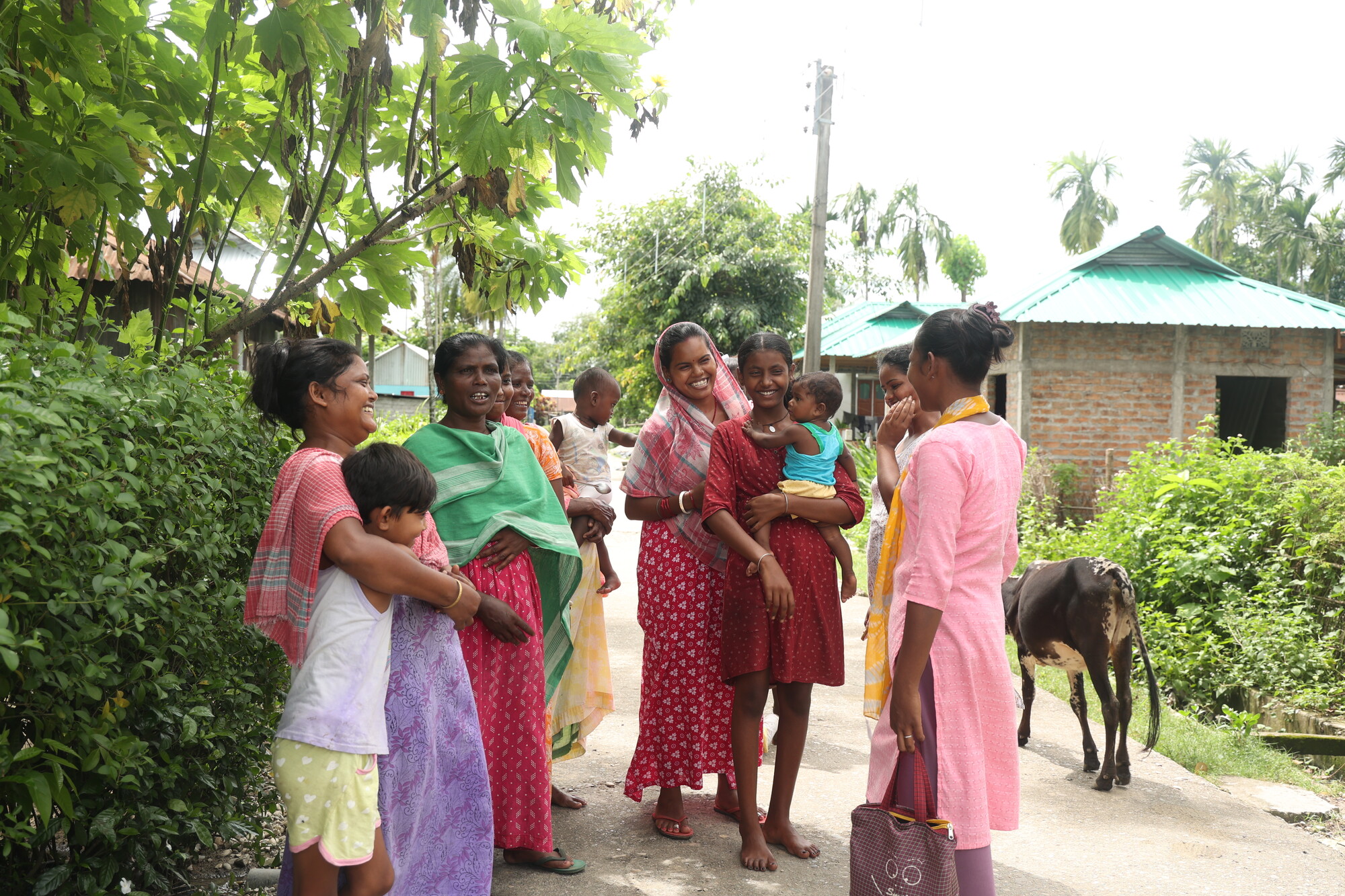
And while these songs are duels of sorts, when pairs of kobiaals appear in town squares to raise awareness on how important clean water is to public health, attendees come away with a clear message of unity: Everyone deserves a healthy life; let’s work together to make it happen.
“These campaigns were not just formal meetings,” says Monika Tudu, who lives in Ruhimari village with her husband and their 2-year-old daughter. “They included folk-based approaches like gambhira songs (which typically accompany traditional dances), kobi gaan and engaging group discussions that helped us understand critical health and hygiene issues in an enjoyable way.”
Wells of plenty
From there, each organization has worked to help build the facilities that families need to turn that awareness into change.
In Ruhimari, ERDS built a community borehole, able to draw water from deeper underground, where there are fewer contaminants. A submersible pump protects the water as it rises to the surface.
Having this clean, safe water has put Tudu at ease as she raises a young child. “Today, my life has changed significantly. My health has improved, and I am happy being a mother. I got this information at the very right time.”
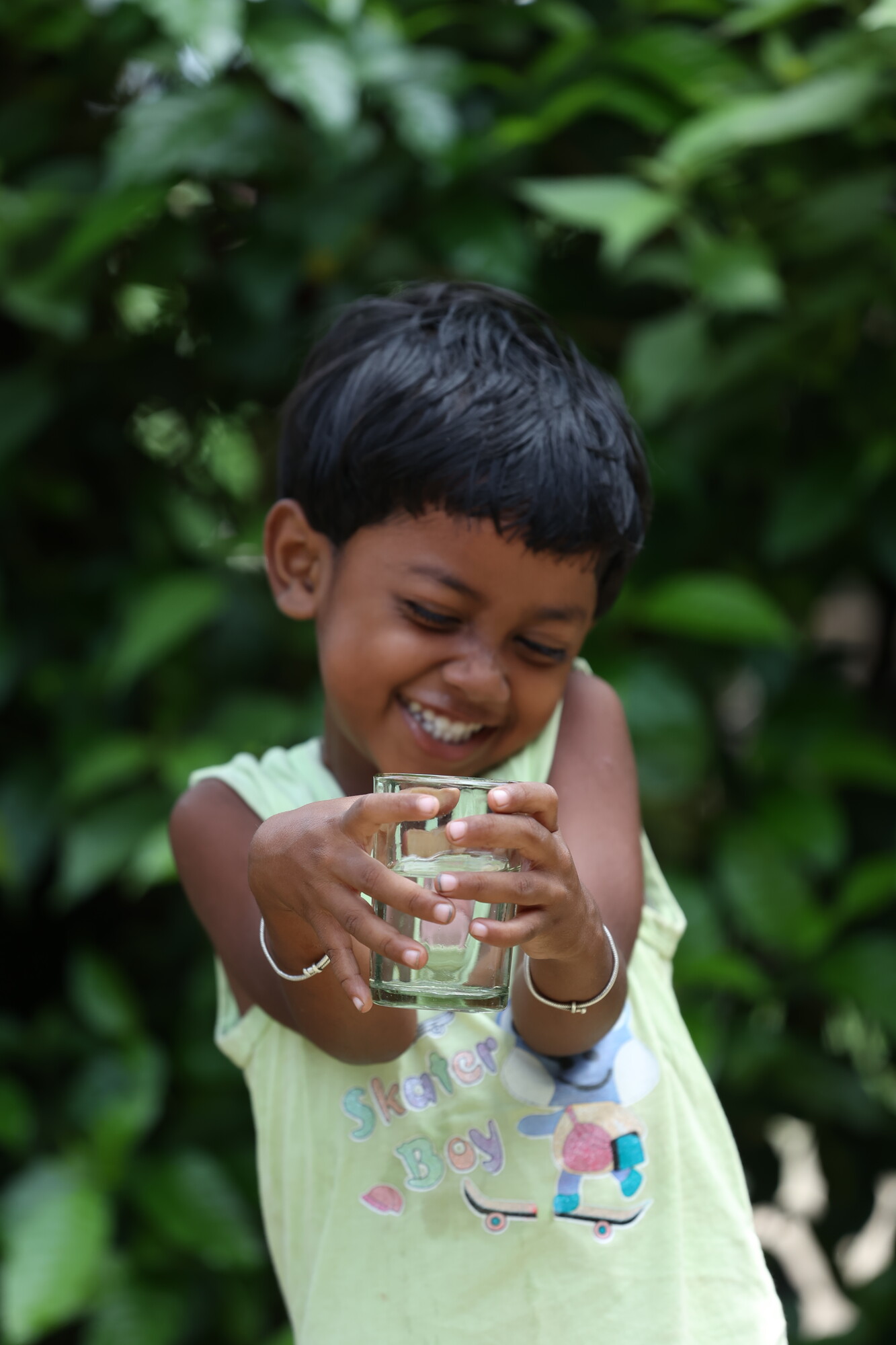
In Kohinoor Tea Garden, LFF helped families obtain portable water filters, which use terra cotta coils to capture bacteria and other contaminants before they reach the tap.
“After we started drinking filtered water, we noticed we weren’t getting sick as often,” says Minj. “We realized that unsafe water had been making us sick.” The organization also helped the family install a latrine at their home.
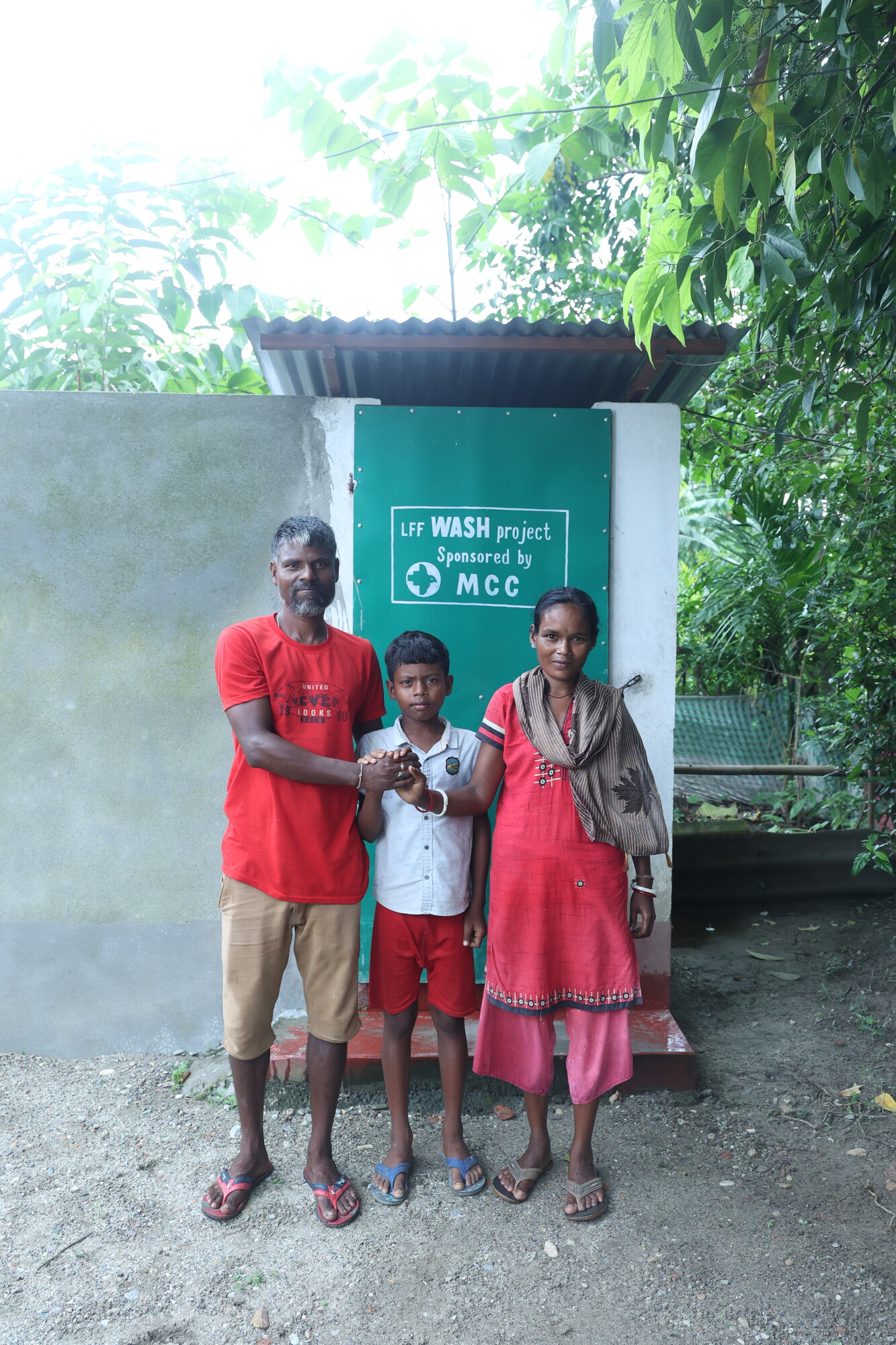
Kerketta likewise received a water filter and latrine from LFF. These resources have proven invaluable in keeping her growing family safe. “When I became pregnant . . . I was able to stay healthy, and I safely gave birth to a healthy child,” shares Kerketta. She is grateful for the safety and assurance she now feels at home.
“On behalf of our whole family, I thank Little Flock Fellowship and MCC for giving us a toilet,” she says.
“It is such a good advantage for our daily life.”
Sienna Malik is managing editor of A Common Place magazine. Sanjib Khan is a freelance photographer based in Kolkata, India.
Top photo: Minati Kerketta helps her son, Manab Oraon, drink a cup of clean water.
A Common Place
Find more stories from the winter 2026 edition of A Common Place.


Food for body and soul
- Food,
- Conflict, Health


First person: Maxym
- Conflict,
- Health

A spirit of service in DR Congo
Give a gift where needed most
Every donation makes a difference.