
Editor’s note: Pseudonyms of people are used and names of partners in Afghanistan are not used for security reasons.
A night of terror
Faheem was just 15 years old when, late at night, the ground beneath him began to shake.
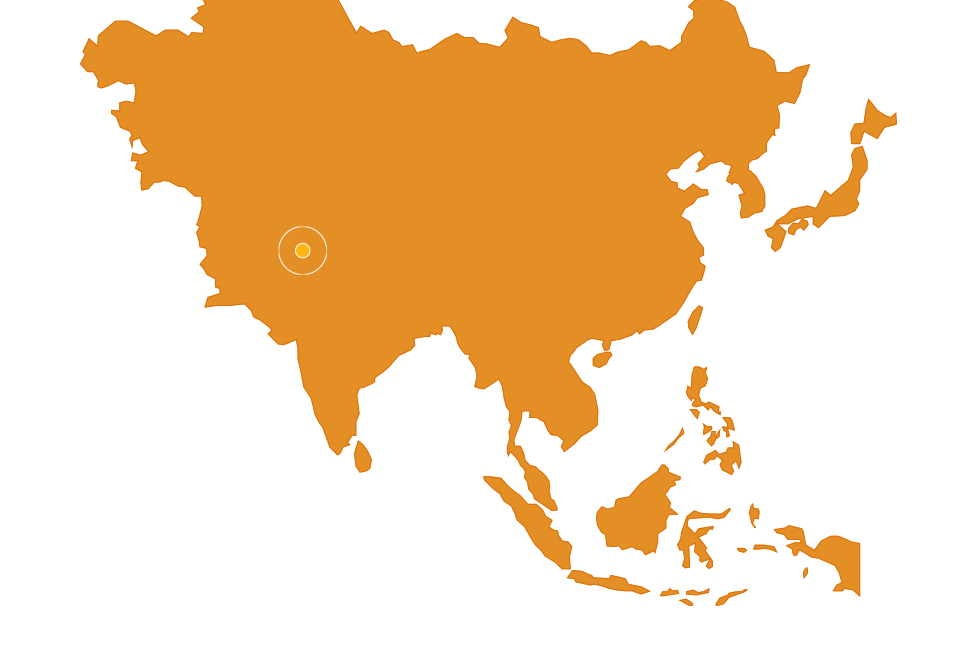
As midnight approached on Aug. 31, 2025, Faheem’s home in the highlands of eastern Afghanistan was struck by a 6.0 magnitude earthquake. Families were abruptly awakened by a loud blast followed by violent shaking.
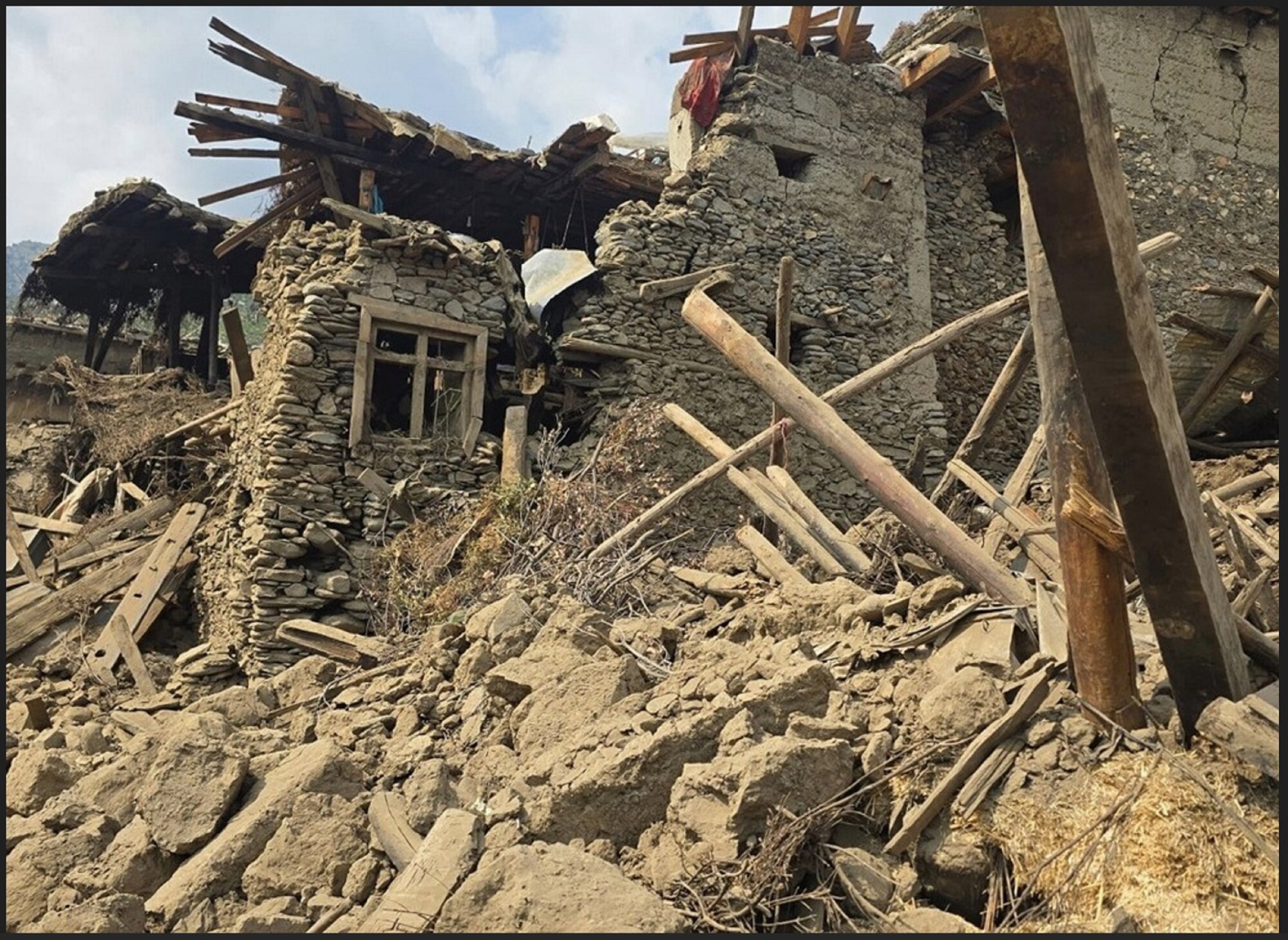
Homes built from stone, wood and thick layers of mud gave way almost instantly. Roofs collapsed inward, walls crumbled and families and livestock were buried where they slept.
In the darkness, people ran toward the sound of crying and screaming. With roads blocked from landslides and no heavy equipment available, villagers worked with their bare hands and whatever tools they could find through the night to rescue who they could.
Solid homes with strong roofs became the ground people stumbled over as they searched frantically for their loved ones.
Faheem was one of the people missing.
After two hours buried beneath the rubble of his former house, Faheem was finally freed when his neighbours dug him out with their bare hands. They also discovered that his father did not survive.
With blood on his face, Faheem was eventually airlifted by helicopter to a nearby hospital for treatment. But the shock from the earthquake and the grief of losing his father could not be easily mended.
MCC partners respond
MCC partners were some of the first to provide support. Ten staff members visited with families in Kunar and Nangahar provinces who were severely affected by the disaster, including Faheem’s family.
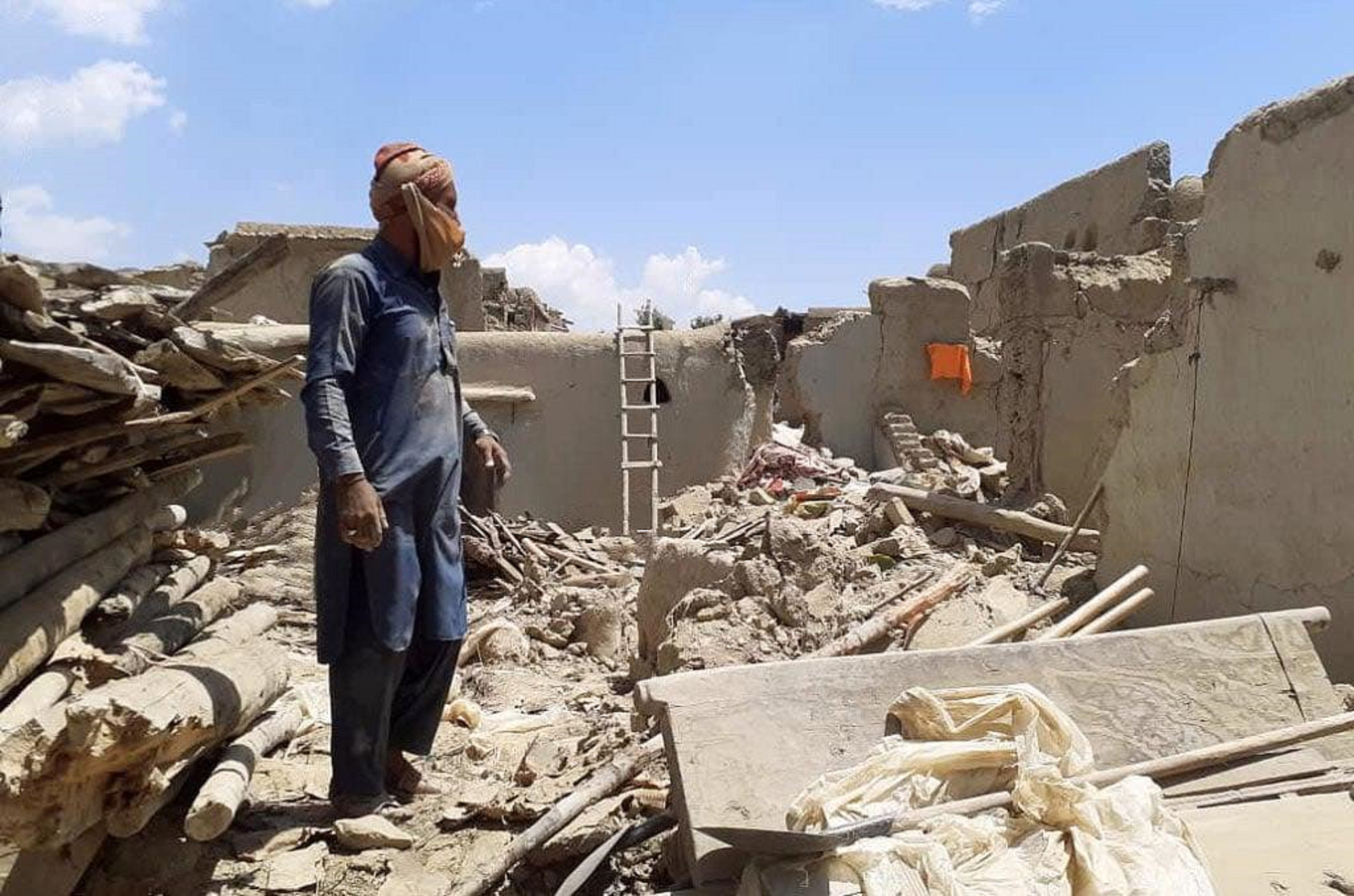
The partner staff were heartbroken to see the damage to this community, physically and emotionally. Even during the day, the cold was biting. Some survivors still had bandages wrapped around their heads, their wounds from the rubble still healing.
Aftershocks continued for days, feeding fear and uncertainty. Homes left standing were cracked and unstable, making a return to normal impossible.
Asad, another young man from the same area also suffered the loss of a family member that night.
"This was a very horrible night in my life and still we feel the shakes due to frequent aftershocks. We have some psychological problems with these shakes and make us fear every time when it happens."
Relief that begins with listening
For the partner staff that came to help, relief didn’t begin by unloading supplies. Instead, they sat together in the tents that had been constructed as temporary shelter to listen to the affected families and comfort them.
They visited people where they were living – outside shattered homes, in tents in makeshift camps that offered little more than fabric between families and the elements. They asked simple questions: What do you need most right now? What are you worried about? What will happen when winter comes?
At first, many people said they had what the needed. Tents, after all, had been distributed by other humanitarian organizations. But as the conversations continued, deeper concerns emerged. Families had not yet had the space or time to think beyond immediate survival.
They began to worry about what would happen when the snow fell, melted and leaked through the tent fabric. In these mountain regions, where snow and bitter cold are common during the winter months, how would they keep the children warm?
Cash Assistance: How choice makes a difference
It became clear to MCC partner staff that the needs were vast and varied. Each family had different priorities and the response needed to be flexible.
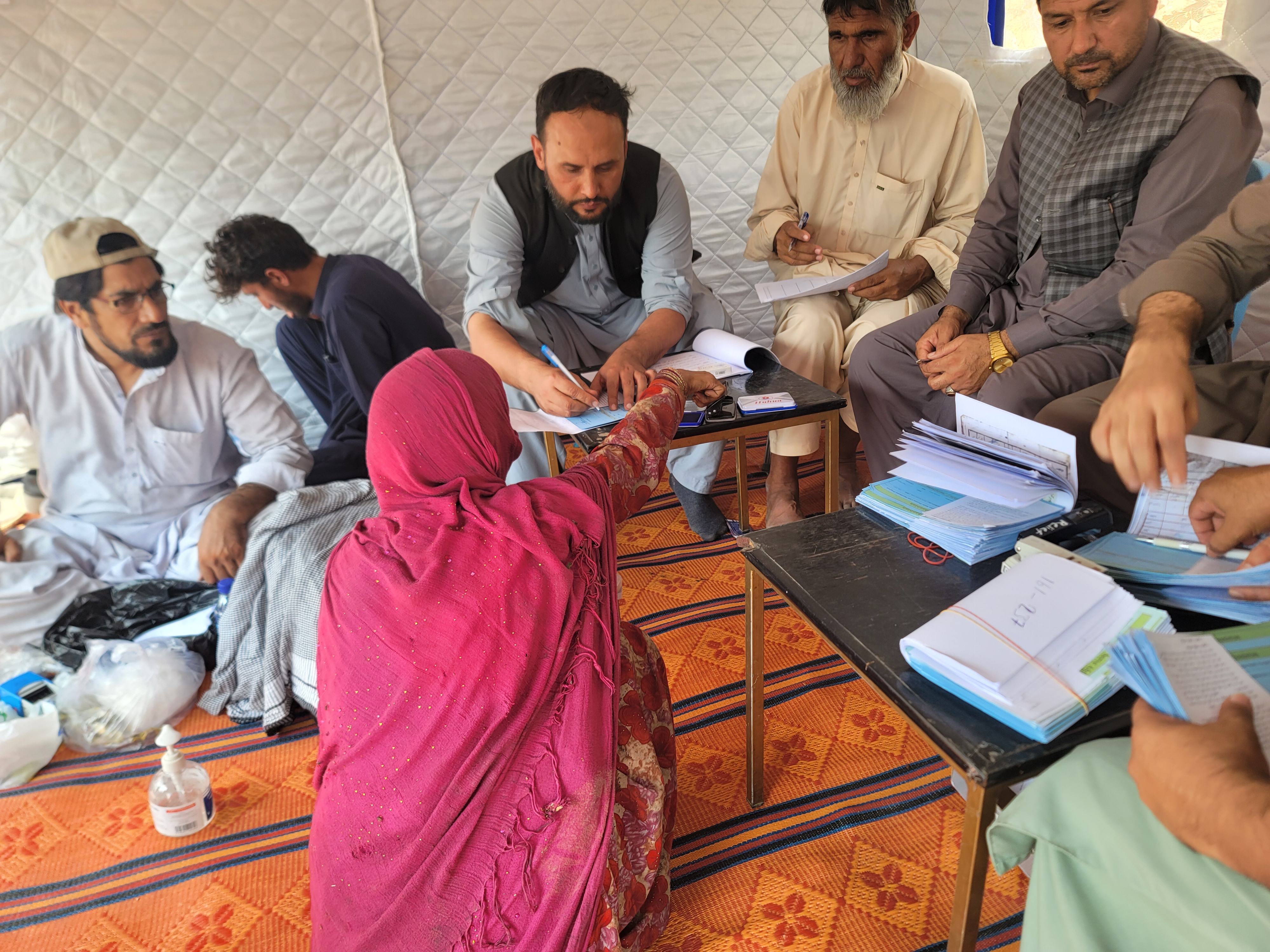
Cash distributions in the aftermath of a disaster allow families to meet their specific needs with dignity. In Nangahar province, 209 families (over 1,400 people) received funds that enabled them to purchase essential items while also stimulating the local economy, giving local merchants much-need business.
When staff followed up, patterns quickly emerged. More than 80% of families chose to purchase clothing first. Winter layers, children’s shoes and daily wear had all been lost beneath the rubble. Medicine was another common purchase, used to treat injuries from the earthquake that required ongoing care. Others bought cooking utensils so they could prepare food again.
The partner organization’s executive director reflected on the process: "The cash assistance… we would have thought of blankets and tents, but we wouldn't have thought of clothes. But that became a first thing which they wanted to buy and use it. So, the cash assistance was a better idea."
Asad, who described the earthquake as the worst night of his life, said he felt the support of MCC partners in more ways than one:
"We are thankful to [MCC Partner] for the support extended. We feel that we are not alone in this crisis. Some NGOs support us with food and NFI (non-food items) but not supported with cash. Since we have to purchase various things, we will be able to do with the cash provided by you".
Your generosity made this possible
None of this response happened in isolation. It was possible because generous donors chose to act quickly and compassionately.
The support of the MCC community ensured that help arrived promptly. It made it possible for staff to listen before acting, to respond with relevance rather than assumption and to offer families a choice in how they would rebuild their lives.
What comes next
As winter approaches, the challenges continue. Tents offer only limited protection and houses cannot be rebuilt until after the cold season passes when materials can properly set and the ground is soft enough to work with. Livelihoods that were lost beneath collapsed homes will take time to restore.
MCC partner’s executive director shared how his staff gained a new perspective through this disaster response.
They said, "In this situation... actually, we are bringing hope to the people who are in despair and the hopeless situation which they are living in. And when we are going there, they are seeing with joy in their face us to say that we are bringing hope to them."
He quoted Lamentations 2:22-23.
Because of the Lord’s great love we are not consumed,
for his compassions never fail.
They are new every morning;
great is your faithfulness.
"Lamentations starts with hope and ends with hope, but that verse has been written from the context of suffering. God brings in the hope to them, and I felt… we are there, sent by God to bring in hope to those people."
Plans are underway for additional support which would help families with the next steps toward rebuilding. Each step forward depends on carefully listening to individual needs.
Photos are courtesy of the partner organization featured in this story.
Top photo: Men wait at a cash distribution site.
Support relief efforts in Afghanistan
Support families devastated by earthquakes.